
04 / MISORA
Invisalign & braces
Clear aligners and fixed braces considered together, with the choice guided by tooth movement, bite and daily routine.
Understanding the treatment
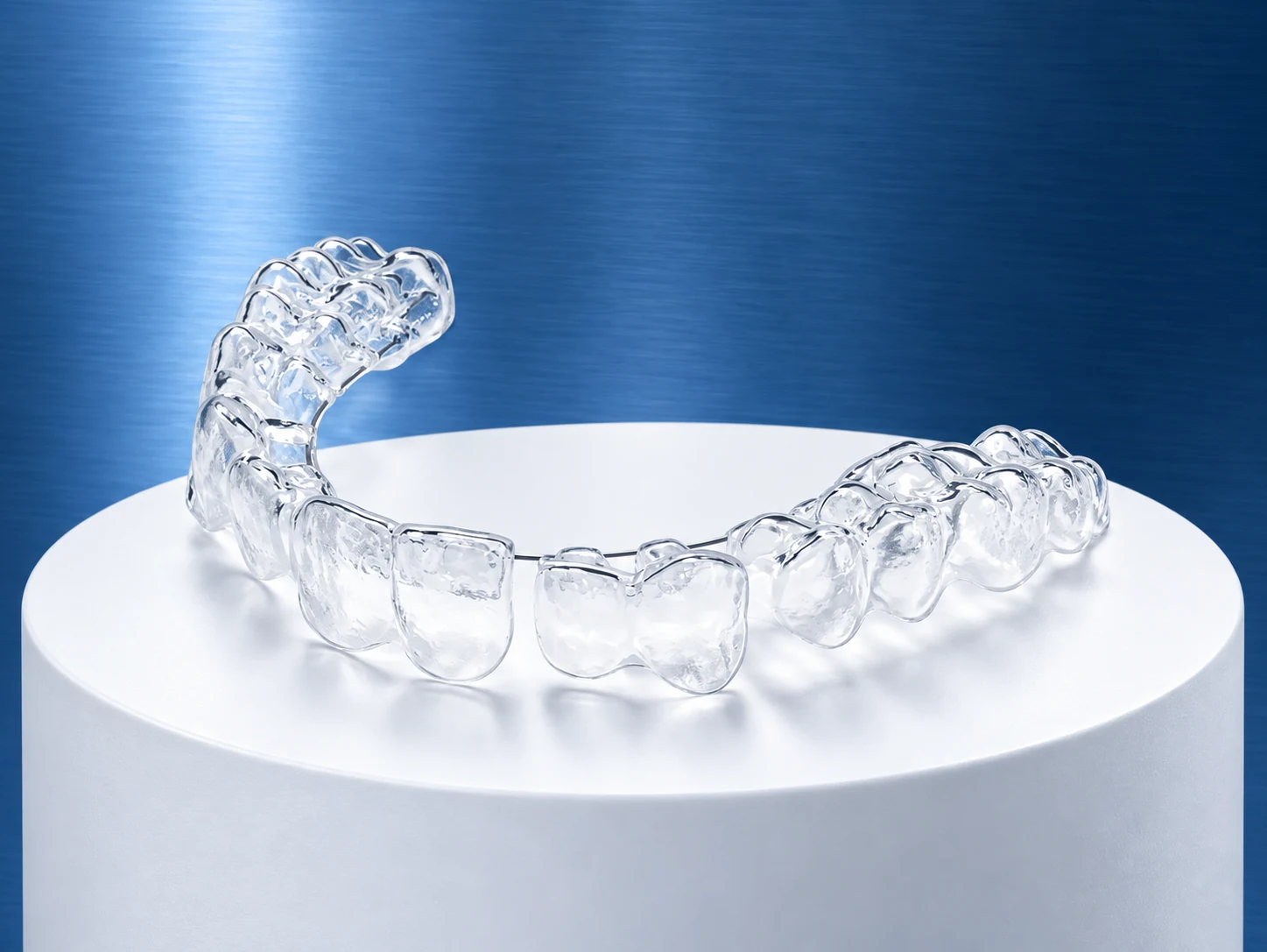
Invisalign uses removable clear trays to move teeth gradually. Fixed braces are another option and may give the dentist more control for some movements. Misora reviews the teeth, bite and oral health, then explains which approach is suitable and what ongoing wear, reviews and retention involve.
When to ask about it
- 01
Crowding or spacing between teeth
- 02
Bite concerns that need orthodontic assessment
- 03
A wish to compare removable aligners with fixed braces
These are reasons to seek an assessment, not a diagnosis or promise of suitability.
How care is planned
- 01
Assessment and digital planning
Examine teeth, gums and bite; take digital scans and other records where indicated. Discuss clear aligners and fixed braces in light of the planned movement.
- 02
Active treatment and reviews
Fit the chosen appliance, explain daily care and review progress regularly. Clear aligners require consistent wear; fixed braces need careful cleaning.
- 03
Retention
After active movement, a retainer helps maintain the new tooth positions. The dentist recommends the type and wear plan for the case.
Questions to consider
Are clear aligners right for every case?
No. The type and extent of tooth movement, bite and ability to wear aligners consistently affect suitability. Fixed braces may be advised instead.
How long does orthodontic treatment take?
Duration varies with the required movement, treatment response and, for aligners, wear consistency. A personal estimate follows clinical planning.
Why is a retainer needed?
Teeth can shift after active treatment. Retainers help maintain their position, and the recommended wear plan is explained when treatment is complete.